A Turning Point in U.S.–China Trade Relations
After months of tense negotiations, the United States and China have reached an initial trade agreement that has the potential to reshape global shipping lanes and redefine the flow of goods between the world’s two largest economies. This breakthrough signals not only a reduction in trade tensions but also a possible shift toward greater stability in international commerce. For businesses that depend on reliable, timely, and cost-effective freight solutions, the agreement represents a development worth monitoring closely.
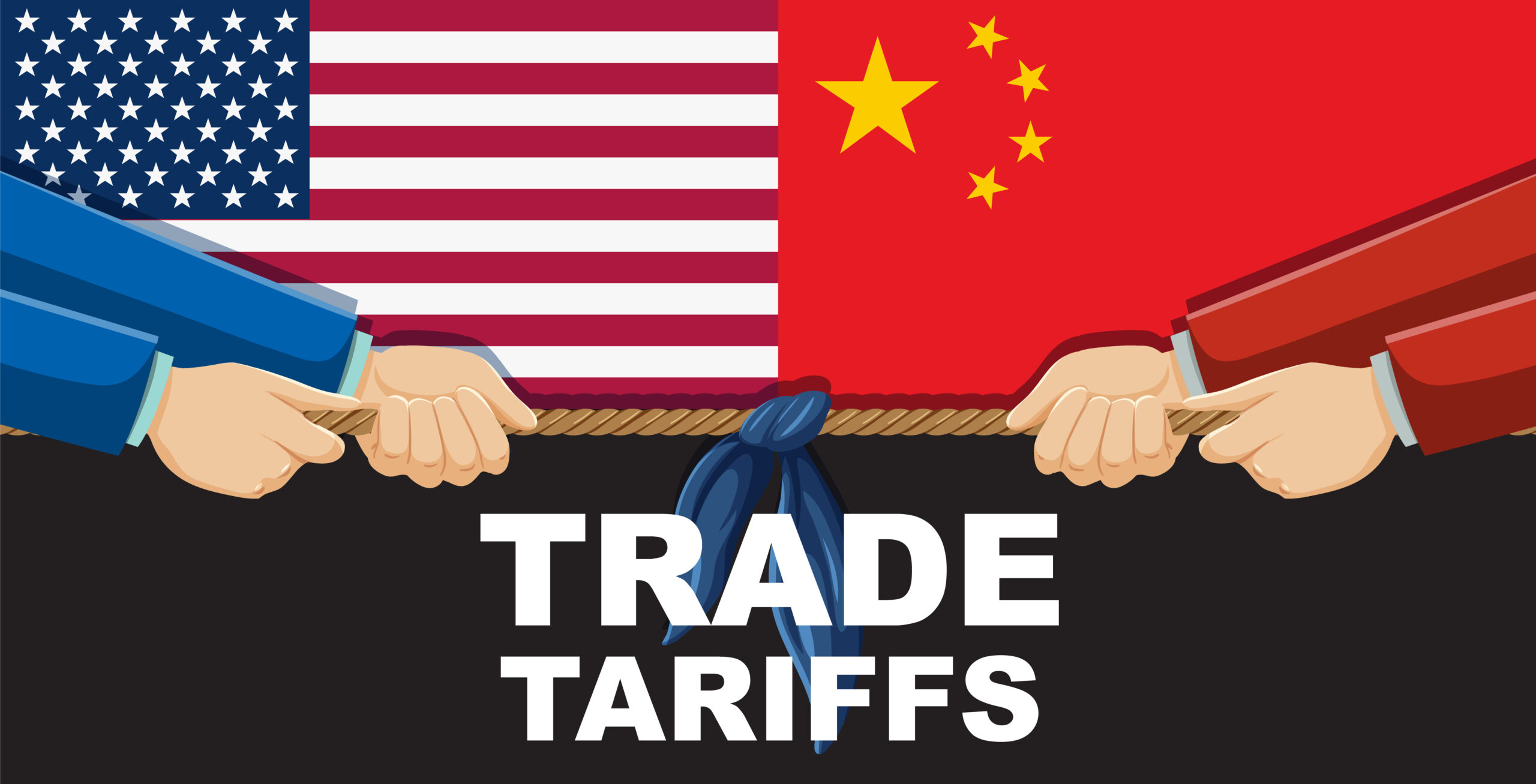
One of the most significant aspects of this accord is the expectation of eased tariffs on a range of goods. Tariff reductions will relieve pressure on companies that have been struggling with inflated costs over the past few years. For importers, this could mean more competitive sourcing options, while exporters may find that their products regain a stronger foothold in overseas markets that were previously less accessible due to prohibitive duty rates.
Equally important is the prospect of improved market access. With barriers beginning to lower, U.S. companies could expand their presence in China’s vast consumer base, while Chinese firms might gain a more seamless pathway into the U.S. market. This improved access will not only stimulate trade volumes but also encourage innovation and collaboration across industries such as manufacturing, technology, retail, and agriculture.
From a logistics perspective, the agreement may open the door to new opportunities in freight and supply chain management. As trade flows rebalance, shipping routes could see a surge in demand, prompting carriers and freight forwarders to adjust capacity, schedules, and pricing models. Businesses will need to stay agile, reassessing their supply chain strategies to capture efficiencies in transit times and costs.
However, it is important to recognize that this is only an initial agreement, and its implementation will unfold in stages. Regulatory adjustments, customs procedures, and compliance requirements are likely to evolve in the coming months. Companies that remain vigilant and adapt quickly to these changes will be best positioned to protect their margins and strengthen their global competitiveness.
In short, while uncertainties remain, the U.S.–China trade agreement is a pivotal step toward easing tensions and unlocking new possibilities. For global businesses, this is a reminder that staying informed, planning ahead, and aligning with experienced logistics partners are essential strategies for thriving in an environment where trade dynamics can shift rapidly.