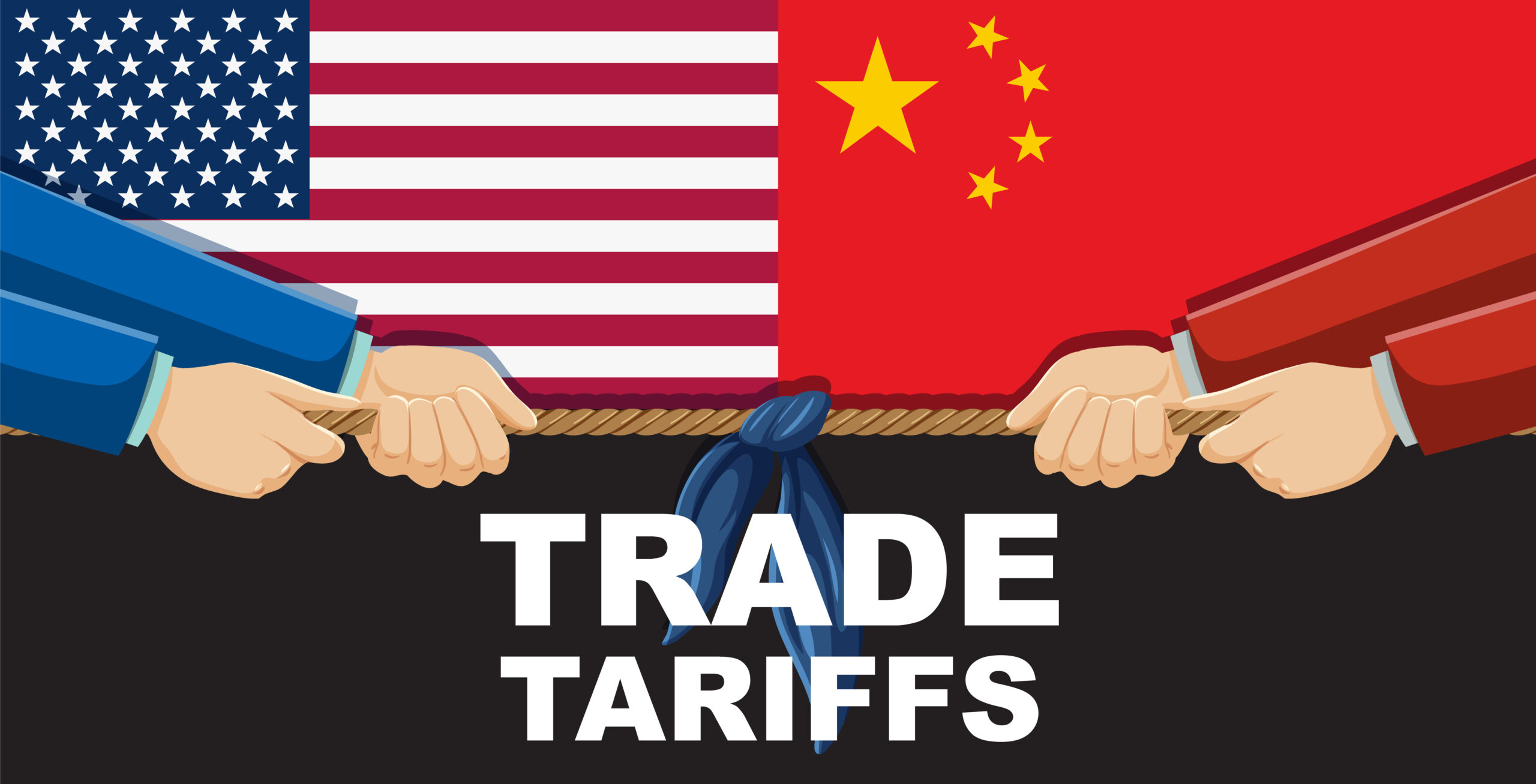
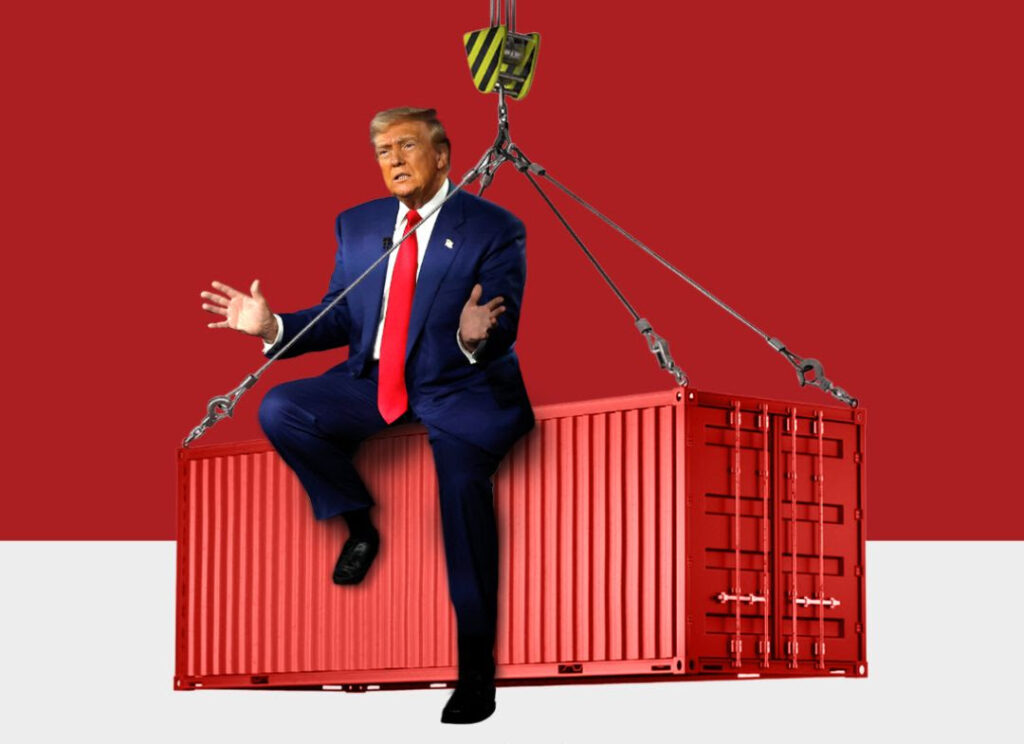
In a bold move to redefine the global trading landscape, the White House has unveiled its new “Fair and Reciprocal Plan.” This initiative aims to confront longstanding trade imbalances by introducing a series of tariffs on imported goods specifically designed to mirror the tariffs that other countries impose on U.S. products.
A Push for Reciprocity
For decades, U.S. officials have voiced concerns over uneven trade dynamics, where American companies face steeper barriers abroad than foreign competitors face in the U.S. The Fair and Reciprocal Plan is a response to this imbalance. By imposing tariffs equivalent to those faced by American exporters, the U.S. government hopes to level the playing field and push trading partners to negotiate fairer terms.
Key Tariff Adjustments
Under the plan, tariffs will be selectively applied to a variety of goods, with special focus on sectors where U.S. industries have suffered most such as steel, aluminum, and technology. Countries that impose higher tariffs or barriers on U.S. exports can expect matching tariffs on their goods entering the American market.
This tit-for-tat approach is intended not to punish, but to prompt dialogue and encourage reform. “This is not about starting a trade war,” a senior White House official stated. “It’s about demanding fairness and reciprocity.”
International Reactions
Initial reactions from global partners have been mixed. Some countries have expressed concern that the U.S. measures could spark retaliatory actions, escalating into broader trade disputes. Others acknowledge the underlying issues and signal willingness to engage in discussions to review current agreements.
The European Union and several Asian economies have already called for urgent talks to avoid prolonged tensions and maintain stable economic cooperation.
Economic and Political Implications
Economists are divided on the potential impact. Some argue that the plan could strengthen domestic industries and restore manufacturing jobs. Others warn of increased costs for American consumers and the risk of slowed global economic growth if trade tensions intensify.
On the political front, the plan has drawn praise from U.S. manufacturers and labor groups, who see it as a long-overdue corrective measure. Critics, however, worry about the unpredictability of international reactions and the potential strain on diplomatic relations.
What’s Next?
The White House has emphasized that the tariffs are part of a broader strategy. Negotiations with key trade partners are expected to intensify in the coming months, with the U.S. pushing for new deals that reflect the principles of fairness, balance, and mutual benefit.
As the global community watches closely, one thing is clear: the United States is making it known that trade must be a two-way street.