Kings Group Insight on the Trade Agreement’s Real Impact
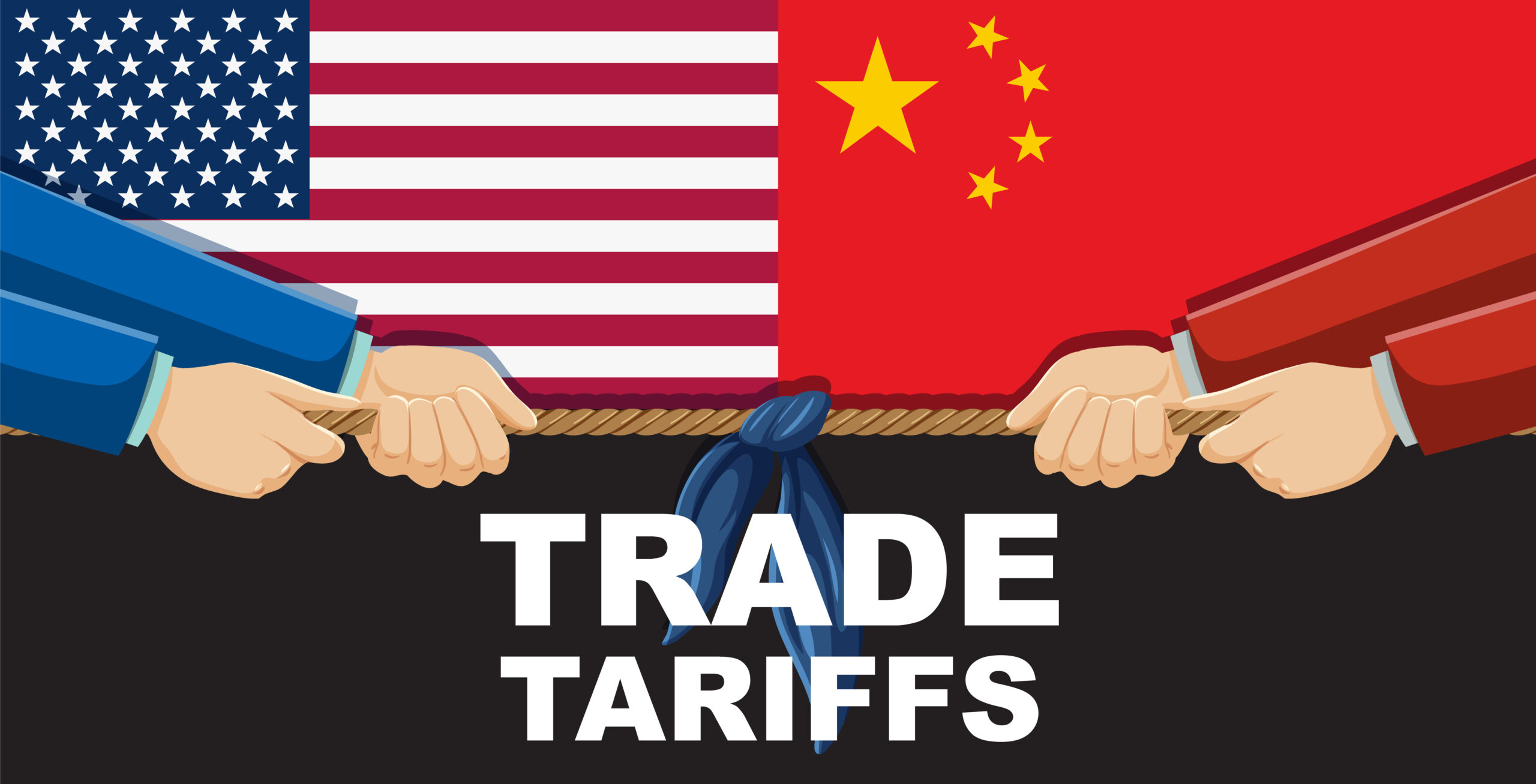
The recent U.S.–China trade agreement has sent ripples across global markets, leaving many businesses uncertain about their next moves. For companies that rely heavily on international supply chains, the question is clear: should they accelerate shipments now to avoid potential disruptions, or should they hold off in hopes of more favorable conditions in the near future?
At Kings Group Logistics, our experts are closely analyzing how this agreement will influence the flow of goods between the two economic giants. Beyond the headlines, the deal carries several practical implications for importers, exporters, and supply chain managers worldwide.
One of the most immediate concerns is freight costs. While the agreement aims to ease trade tensions, changes in tariffs and trade rules could still create fluctuations in shipping rates. Importers may face higher surcharges on certain product categories, while exporters might see temporary relief in duty structures. This uncertainty means businesses must budget carefully and prepare for possible cost increases that could impact profit margins.
Another area under the spotlight is transit times. Adjustments in customs protocols and increased scrutiny of certain goods could result in delays at major ports of entry. Even minor slowdowns at customs checkpoints can cascade into significant disruptions, especially for companies operating on lean inventory models. Kings Group Logistics advises clients to factor in potential delays when planning production schedules, seasonal launches, or market rollouts.
Additionally, the customs clearance process itself is evolving under the new agreement. Businesses may need to adapt to revised documentation requirements, updated compliance standards, and stricter enforcement of trade regulations. A lack of preparation in this area could lead to costly penalties or shipment rejections. By staying ahead of these changes and maintaining open communication with logistics partners, companies can mitigate risks and avoid unnecessary setbacks.
Looking beyond the immediate future, the broader impact of the U.S.–China trade agreement lies in its effect on supply chain resilience. Global trade is becoming increasingly unpredictable, and businesses must adopt flexible strategies to stay competitive. This includes diversifying sourcing regions, securing reliable logistics partners, and investing in digital tools that provide real-time visibility across the supply chain.
At Kings Group Logistics, we believe that understanding the fine print of this agreement and translating it into actionable strategies is essential for long-term stability. Whether your goal is to safeguard profit margins, shorten lead times, or streamline customs clearance, proactive planning is the key to navigating this evolving landscape.
In times of uncertainty, knowledge and preparation become powerful tools. By leveraging expert insights and maintaining agile logistics practices, businesses can not only withstand the challenges brought by shifting trade dynamics but also turn them into opportunities for growth.